Promotion: 10% off all Apple watch Straps. Use code:APPLE10 at checkout


Best Strap Materials for Singapore's Climate

Understanding Singapore's Climate and Our Wrists
Here in Singapore, choosing a watch strap isn’t just about looks. The climate plays a huge role in how comfortable a strap feels, how long it lasts, and whether it turns into a sweaty mess by lunchtime. On top of the heat and humidity, our wrists also naturally expand and shrink with temperature changes. A strap that feels perfect in an air-conditioned office can suddenly feel tight and uncomfortable once you step outside, and that constant fluctuation adds another layer to consider when picking the right material.
Singapore’s equatorial weather means temperatures hovering around 30°C almost daily, paired with humidity that rarely lets sweat evaporate. Add sudden downpours, crowded public transport, and long walks between air-conditioned spaces, and your watch strap ends up dealing with far more stress than it would in cooler, drier climates. Materials react very differently under these conditions. Some thrive, some degrade quickly, and others sit somewhere in between. Comfort, durability, and hygiene all become part of the equation.
Rubber Straps
Rubber straps are the most straightforward choice for Singapore’s climate. They’re waterproof, sweat-resistant, and incredibly easy to maintain. You can rinse them under running water, wipe them down after a long day, and they’re good to go. For anyone who spends time outdoors, walks frequently, exercises, or simply runs warm, rubber is hard to beat.
Modern rubber straps have come a long way from the stiff, plasticky ones of the past. High-quality rubber, especially FKM rubber, is soft, flexible, and comfortable even in the heat. It doesn’t get sticky, doesn’t absorb sweat, and doesn’t break down easily in humid conditions. Rubber also adapts well to wrist expansion throughout the day, flexing slightly as your wrist swells in the heat instead of digging in uncomfortably.
The biggest advantage of rubber is peace of mind. You never have to worry about sweat, rain, washing your hands, or even swimming. That’s why many people in Singapore end up wearing rubber straps far more often than they originally expected, even on watches that traditionally came on leather or steel.
Steel Bracelets
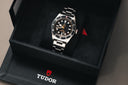
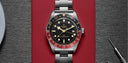
Steel bracelets are another easy win in a hot and humid environment. Like rubber, steel is waterproof and unaffected by sweat or moisture. It can be rinsed, brushed clean, and worn daily without concern. A well-made steel bracelet is also incredibly durable, often outlasting the watch head itself.
Steel does have its quirks in Singapore’s heat. It can feel heavy, especially during long days outdoors, and poorly fitted bracelets tend to trap sweat between the links. This can feel uncomfortable if the bracelet is too tight or poorly sized. On the flip side, a properly fitted bracelet with a bit of breathing room can be surprisingly comfortable, as air can circulate between the links.
Another consideration is adjustability. Since wrists expand and shrink throughout the day, bracelets with micro-adjustments or half-links are much more comfortable in our climate. When sized correctly and cleaned occasionally, steel bracelets remain one of the most versatile and climate-proof options available.
Leather Straps
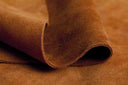
Leather straps often get written off entirely in tropical climates, but they can still work in Singapore if your lifestyle allows for it. If you spend most of your day in air-conditioned spaces such as offices, malls, cafés, or studios, leather is perfectly viable. Many people wear leather straps daily without issues simply because they aren’t exposed to heat and sweat for extended periods.
That said, leather does require more care here than it would elsewhere. Leather absorbs moisture, darkens faster, and wears out more quickly if constantly exposed to sweat and humidity. Over time, it can stiffen, develop odour, or crack if not given time to dry out properly. Certain leathers hold up better than others, and straps with moisture-resistant or rubberised linings can significantly improve comfort and longevity.
Leather works best for office wear, formal occasions, short outings, and evenings out. It’s less ideal for long walks, outdoor activities, or days when you know you’ll be sweating heavily. Treat leather as a situational strap in Singapore rather than a one-strap-fits-all solution.
Fabric Straps
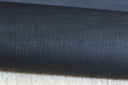
Fabric straps such as NATO, canvas, and nylon are lightweight and breathable, which makes them appealing at first glance. They’re also affordable and easy to swap, making them popular among collectors who like variety. In practice, however, fabric straps can be hit or miss in Singapore’s climate.
Fabric absorbs sweat very easily and takes a long time to dry in humid weather. Once wet, it can feel clammy against the skin and may start to smell if worn repeatedly without washing. In extreme cases, prolonged moisture can even cause skin irritation. While breathable, fabric straps don’t repel moisture the way rubber or steel does.
These straps work best if you’re willing to rotate them frequently and wash them regularly. They’re great for casual wear, short outings, and weekends, but may not be ideal as a single everyday strap unless you’re diligent about maintenance and hygiene.
Hybrid Straps
Hybrid straps offer a smart middle ground by combining materials such as rubber backing with fabric, nylon, or sailcloth tops. The rubber underside keeps moisture away from the skin, while the top layer provides a more refined or casual look. This design makes hybrid straps particularly suitable for Singapore’s climate.
Because the part touching your wrist is rubber, sweat and moisture are far less of an issue. At the same time, the outer layer adds texture and visual interest, making the strap feel less sporty than plain rubber. Hybrid straps are especially useful for people who want one strap that can handle both daily wear and slightly dressier situations.
They’re a strong option for anyone moving constantly between outdoor heat and air-conditioned interiors, offering comfort without sacrificing appearance.
Final Thoughts
No matter what material you choose, rotating your straps makes a noticeable difference. Giving leather time to dry, washing rubber and fabric straps regularly, and avoiding wearing the same strap every single day will extend their lifespan considerably. Many watch enthusiasts in Singapore keep a small rotation of straps based on their activities, weather, and schedule.
Living in Singapore doesn’t mean you’re limited to one strap material forever. It simply means being realistic about how and where you wear your watch. Rubber and steel remain the most practical options, offering durability, comfort, and minimal maintenance in all conditions. Leather still has a place if your day is mostly spent indoors, while fabric and hybrid straps work best with some extra care and awareness.
Ultimately, the best strap is one that fits not just your watch, but your lifestyle. When you choose a material that works with Singapore’s climate rather than against it, you’ll find yourself enjoying your watch more, wearing it longer, and worrying about it far less, no matter how hot or humid it gets outside.